How to Plan an Outdoor Academic Field Trip at ACE Adventure Resort
Ready to take learning beyond the classroom? ACE Adventure Resort delivers outdoor academic field trips that turn the New River Gorge into a living laboratory, with guided adventures, experienced professional guides, group lodging, dining, and room to build a program around your students.
From hydrology on the New River to ecology above the Gorge, your group can connect classroom concepts to hands-on experiences in West Virginia’s mountains, river, and woods. Here’s how to start planning a field trip that fits your academic goals, schedule, and budget.

1. Start with the learning goals
Before choosing an activity, identify what you want students to understand, practice, or discuss when they return to school. ACE’s educational adventures can support STEM and experiential learning through several outdoor settings:
- Hydrology: Study water movement and river systems during a guided New River rafting experience.
- Ecology: Explore ecosystems, biodiversity, and environmental relationships while zip-lining through the landscape.
- Geology: Examine erosion, geological history, and rock formations through climbing and rappelling.
- Physics: Investigate motion, force, and energy through the Aerial Adventure Park or waterpark.
That range lets you build the day around your curriculum instead of treating the adventure as a separate add-on. Bring your lesson objectives, and work with the ACE team to determine which guided activities and support options fit your group.
2. Choose a one-day or multi-day format
A one-day field trip can deliver a focused outdoor lesson with a guided activity, a meal, and time to reflect as a group. A multi-day excursion gives students more room to explore several subjects, strengthen leadership skills, and experience the New River Gorge National Park area at a steady pace.
When you compare formats, consider travel time, class schedules, chaperone coverage, and the amount of time students need to transition between activities. Building a realistic itinerary matters. Outdoor programs include check-in, orientation, equipment preparation, activity time, meals, and transportation between locations.
For a longer stay, on-site lodging and dining help keep the group close to the action. ACE can also help groups think through activity recommendations, pricing, and availability while you shape the itinerary.
3. Match the activity to your students
There’s a river trip and guided adventure for a wide range of experience levels, but every activity has its own physical requirements, age guidelines, and participation considerations. Share your students’ ages, experience levels, goals, and accessibility needs with the ACE group team before you finalize the plan.
Safety is a priority. Students and chaperones should follow guide instructions, participate in required orientations, and understand what the day demands before they arrive. ACE also works with groups to determine equipment and support for accessible and adaptive experiences, helping more students take part in outdoor learning.
Choose challenge with intention. A field trip should stretch students’ thinking and teamwork while remaining appropriate for the group you’re bringing.
4. Build teamwork into the itinerary
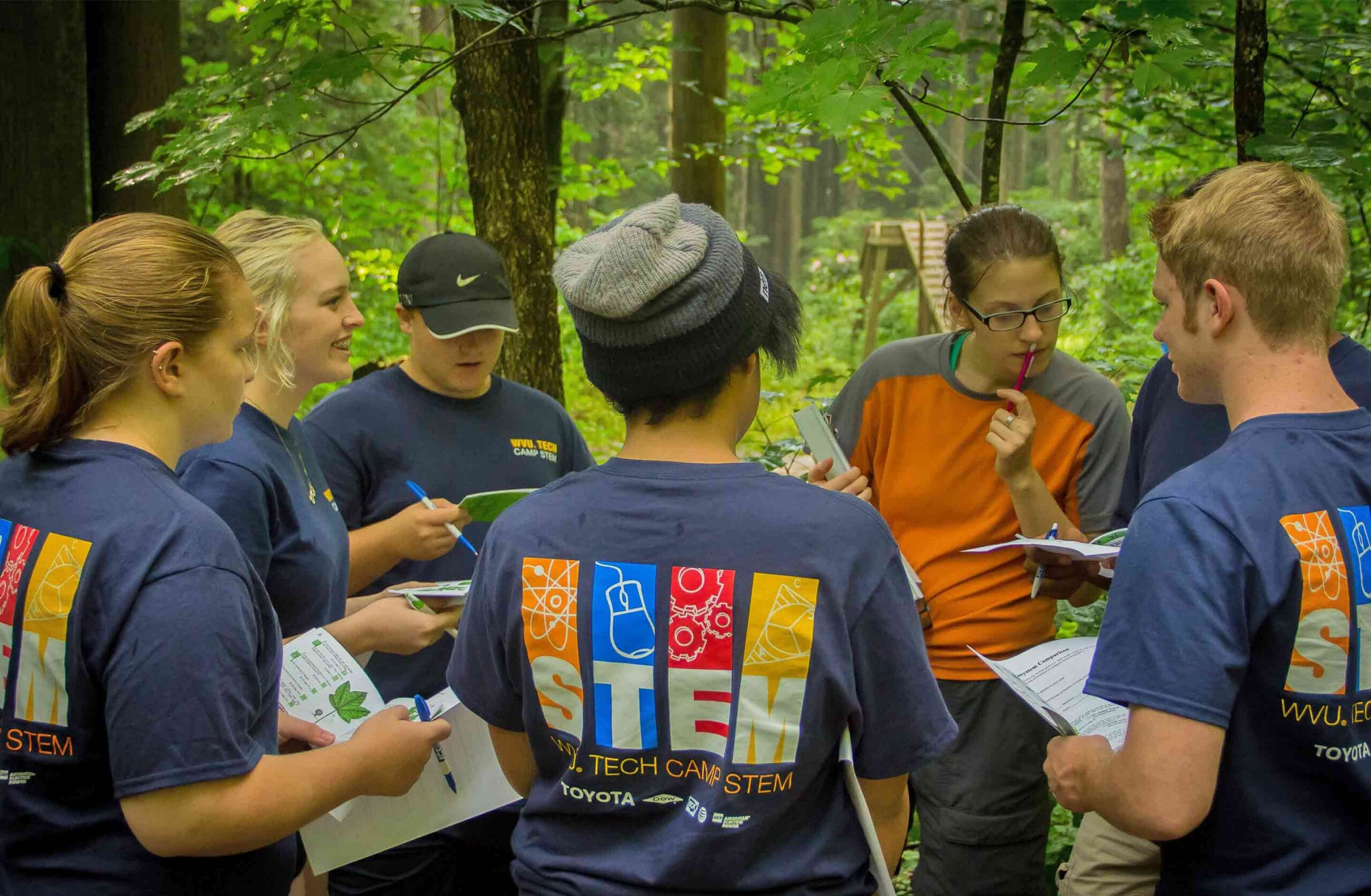
Outdoor learning creates natural opportunities for students to communicate, make decisions, and support one another. Whitewater rafting brings those lessons into focus quickly: every participant has a role, and the group has to listen, respond, and paddle together.
Climbing, zip-lining, hiking, and other guided activities can reinforce the same skills from different angles. Add a short reflection after each experience and ask students to connect what happened outdoors to leadership, problem-solving, environmental responsibility, or career interests.
Those conversations often become the part students remember long after the gear is returned.
5. Plan meals, lodging, and group logistics early
Large-group planning has plenty of moving parts. Start early with a head count, preferred dates, dietary needs, lodging requirements, and activity priorities. Ask about group dining and lodging options at the same time you request activity pricing so the itinerary can be built as one complete plan.
ACE Adventure Resort supports class trips, athletic teams, youth groups, outdoor clubs, and higher education programs with guided activities, budget-friendly lodging, meals, and meeting spaces. Nonprofit group rates may also help eligible organizations build a field trip that fits the available budget.
For groups studying tourism and hospitality, ACE has an additional educational option that includes a presentation from an ACE representative, time for questions, a group meal at Lost Paddle, and a pre-booked adventure. The format can help students connect classroom discussions to the people and operations behind an outdoor hospitality business.
6. Leave room for discovery
A well-planned field trip still needs breathing room. Set aside time for students to notice wildlife, ask guides questions, walk the trails, and take in the landscape surrounding the New River Gorge National Park & Preserve.
During a stay at ACE, groups can also plan a hike to Finn’s Falls and explore nearby New River Gorge trails when the itinerary allows. Those quieter stretches give students time to process the day and see how geology, water, plants, wildlife, and human history connect across the region.
7. Prepare students before arrival
Share the schedule, packing list, participation requirements, and behavior expectations well before departure. Students should know what they’ll be doing, what physical effort may be involved, and how to listen to guides in an outdoor setting.
Chaperones should receive the same information, along with emergency contacts, meal details, lodging assignments, and a clear plan for transitions. Encourage students to bring questions. ACE guides bring field-tested knowledge to every experience, and their perspective can add practical context that a textbook cannot.
Make your field trip a full outdoor learning experience
A field trip to ACE Adventure Resort can connect science, leadership, teamwork, and career exploration in one place. Start with your academic goals, choose activities that fit your students, and build the schedule around the time and support your group needs.
Then create the Full ACE Experience with on-site lodging, group dining, and guided adventures that keep learning moving from the river to the mountains. Explore ACE’s programs for educators and students and begin planning your next outdoor academic field trip.
Ready to start the conversation? Click here to complete a form and we’ll reach out with availability, pricing, and tips on planning your trip.